


Safety & Evacuation
Wildfire Safety & Evacuation:
Be Ready Before the Fire Starts
When wildfire threatens, there may be only minutes to act. That’s why preparing in advance—with a solid safety and evacuation plan—can make all the difference.
Wildfires move fast, often driven by wind and dry conditions, and waiting until the last moment can be deadly. With planning and practice, you can protect your family, your pets, and your home.
Quicklinks
-
Stay Informed
-
Create an Evacuation Plan
-
Prepare a Go Bag
-
Harden Your Home & Property
-
Know the Evactuation Levels
-
Returning Home Safely
-
Should You Stay or Go?
-
Evacuation
-
Shelter In Place
-
Be Empowered, Not Afraid
-
Learn More
Stay Informed
Staying up to date on fire conditions is essential:
Sign up for emergency alerts from Alert Monterey County and Watch Duty .
Monitor local news, fire agency websites, and weather reports during fire season.
Know your evacuation zone and be aware of current evacuation warnings or orders.
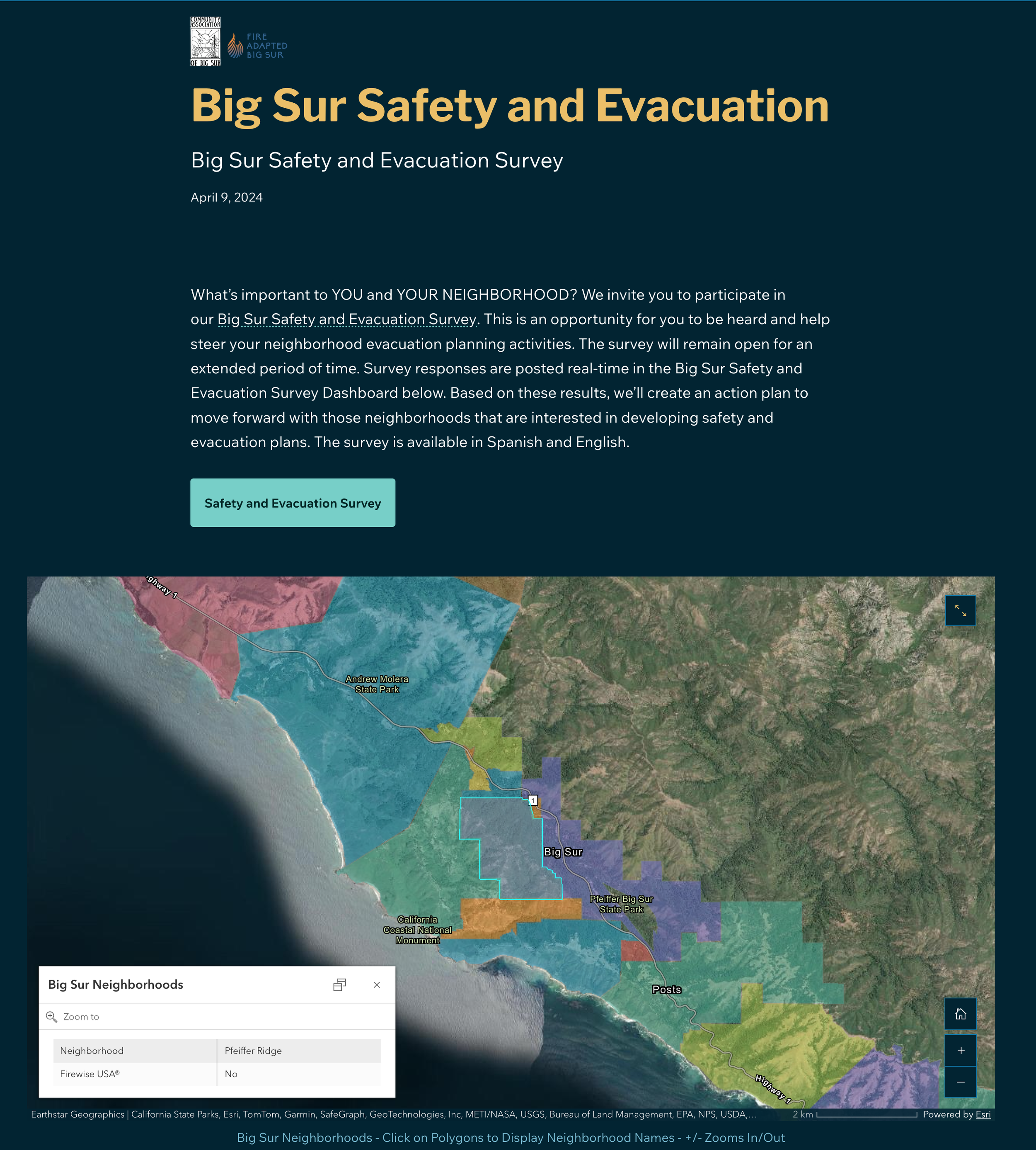
Create an Evacuation Plan
Everyone in your household should know exactly what to do if a fire threatens your home:
Plan multiple escape routes from your home and neighborhood.
Designate a meeting place outside the evacuation area where all family members can reconnect.
Know how to evacuate with pets and livestock, including carriers, trailers, or transport crates.
Arrange transportation in advance for anyone with limited mobility or without a vehicle.
Practice your evacuation plan regularly so it becomes second nature.
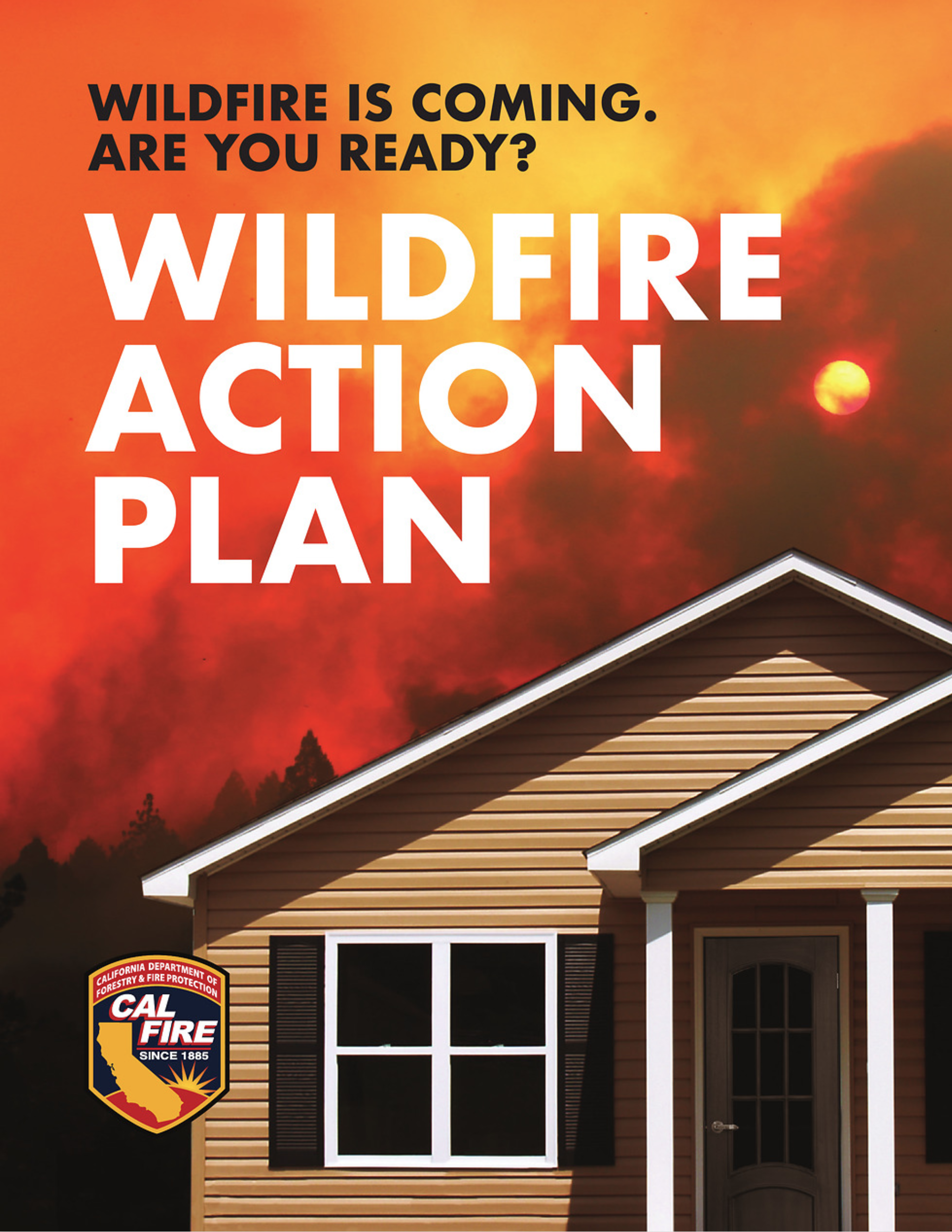
Prepare a Go Bag
Pack a wildfire evacuation “Go Bag” that’s easy to grab in a hurry. Store it in a convenient location, and include:
Copies of important documents (ID, insurance, property records)
Medications, glasses, and essential medical supplies
Phone chargers, flashlight, batteries, and a radio
Clothing, sturdy shoes, and N95 masks
Nonperishable food and water (at least 3 days supply)
Cash, maps, and emergency contact information
Include supplies for pets—leashes, carriers, food, water, and medication.
Harden Your Home & Property
If there’s time before you evacuate and it’s safe to do so:
Shut all windows and doors to prevent ember entry
Turn off gas lines and propane tanks
Move flammable items (patio furniture, firewood) away from the home
Leave lights on so firefighters can see your home through smoke
Know the Evacuation Levels
-
Level 1: Be Ready
Stay alert and monitor conditions. Prepare to leave at a moment’s notice.
-
Level 2: Be Set
Have your car packed and be ready to evacuate. Conditions can change quickly.
-
Level 3: Go Now!
Do not delay. Lives are at risk. Leave immediately.
Returning Home Safely
Only return home when officials declare it safe. Be aware of:
Hot spots, fallen trees, and downed power lines
Structural damage or toxic ash
Poor air quality due to lingering smoke
Wear protective gear, and document any damage for insurance purposes.
Should You Stay or Go?
Confirm if there are evacuation or shelter-in-place orders for your area.
Assess if it's safe for you to comply with those orders or warnings.
It’s recommended that you follow evacuation or shelter-in-place orders, but only if it’s safe to do so.
There may be local conditions that first responders aren’t aware of that make compliance unsafe.
Evacuation
Time-permitting, evacuation is generally the safest decision for residents and first responders.
Benefits include:
Being safely away from the fire
Access to medical care, shelter, water, food
Less stress for family and friends
Reduced need for rescue
Risks include:
Being overrun by fire during evacuation
Delayed departure
Blocked or congested roadways
Vehicle failure
Evacuating? Things You Can Do
EVACUATE – Leave immediately if so instructed
PREPARE – Close doors, windows, curtains, garage door
LISTEN – Stay informed via text, web, phone, TV, radio
AGREE – Identify a meeting place for family and friends
FUEL – Fill vehicles with fuel, ensure they’re in proper running order
STUFF – Stock an emergency supply bag
FILL – Charge exterior hose lines
PLAN – Map multiple escape routes
IDENTIFY – Look for safety (fire-free) zones close to home
-
EVACUATE – Leave immediately if so instructed
PREPARE – Close doors, windows, curtains, garage door
LISTEN – Stay informed via text, web, phone, TV, radio
AGREE – Identify a meeting place for family and friends
FUEL – Fill vehicles with fuel, ensure they’re in proper running order
STUFF – Stock an emergency supply bag
FILL – Charge exterior hose lines
PLAN – Map multiple escape routes
IDENTIFY – Look for safety (fire-free) zones close to home
Shelter In Place
Sheltering in place may be viable if evacuation is not possible.
Conditions that support shelter in place include:
Fire-resistant structures and materials
Adequate fire clearance
Water access and firefighting tools
Reliable communication with first responders
Even under favorable conditions, sheltering in place can be dangerous. If possible, evacuate early to reduce risk to yourself and first responders.
Sheltering In Place? Things You Can Do
EVACUATE – Reconsider evacuation
NOTIFY – Inform first responders of your situation
WEAR – Don fire-retardant clothing
REMOVE – Move flammable material away from structures
CLOSE – Shut doors, windows, curtains, garage door
SHUT OFF – Close propane or natural gas valves
CHARGE – Charge exterior hose lines
SCRAPE – Carry a McLeod, rake, or shovel for spot fires
WATCH – Look for embers at attic or foundation vents
CLEAR – Before a fire, prepare property per fire guidelines
Be Empowered, Not Afraid
Wildfire safety and evacuation planning is not just about reacting — it’s about preparing. Create your plan, pack your go bag, and practice your routes. Talk with your neighbors and work together as a community. When you’re prepared, you’re empowered.
Learn More
Get Ready To Go
CAL FIRE →
https://www.fire.ca.gov/prepare/get-ready-to-go
Create A Wildfire Action Plan
Fire Safe Council for Monterey County →
https://www.firesafemonterey.org/create-a-wildfire-action-plan.htmlPersonal/Business Preparedness
Peace of Mind Preparedness →
https://peaceofmindpreparedness.com/
Fire Adapted Big Sur is a program of the Community Association of Big Sur